Gardeners Hammersmith: Recycling and Sustainability
 Gardeners Hammersmith is committed to creating an eco-friendly waste disposal area and a resilient, sustainable rubbish gardening area across the borough. Our approach balances practical landscaping work with measurable environmental outcomes. We believe that every green space we tend is also an opportunity to divert waste from landfill, conserve resources and support the local circular economy.
As trusted gardeners in Hammersmith, our teams apply simple, repeatable systems on sites large and small. That means on-site segregation of green waste, proactive reuse of materials when possible, and a focus on low-carbon logistics. From communal courtyards to private terraces, we design disposal workflows that respect local regulations and the boroughs' approach to waste separation.
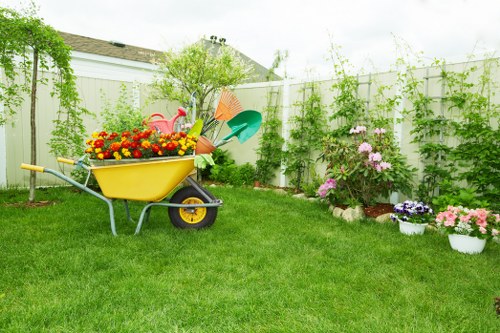 Our recycling percentage target is clear and ambitious: we aim for a 65% recycling rate by 2028, moving towards a 75%+ benchmark as infrastructure improves. This target covers green waste, clean wood, reusable soil and aggregates, and dry recycling streams. Achieving this relies on close collaboration with local transfer stations, community partners, and investment in an efficient, low-emission fleet.
Working with Local Transfer Stations and Borough Systems
We operate within the local transfer station network and coordinate collections to align with borough transfer timetables. The Hammersmith and Fulham area promotes separate collections for food and garden waste, dry recyclables and residual waste, and our crews adapt to those systems to reduce contamination and improve recovery rates. Where practical, materials are taken to nearby transfer hubs and sorting centres to be prepared for composting, mechanical treatment or reuse.
Gardeners Hammersmith supports the boroughs' emphasis on source separation: encouraging residents and site managers to keep garden waste and household food waste separated from mixed refuse. Our site supervisors advise on best practices for on-plot separation and label green waste containers to reflect the local scheme, reducing cross-contamination and enhancing the value of collected materials.
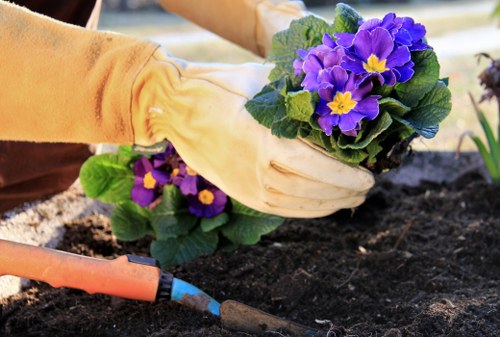 Partnerships with charities and community organisations are central to our reuse strategy. We regularly donate viable plants, potted perennials and surplus soil to community gardens and local environmental charities, and we work with reuse groups to divert reclaimed paving, benches and planters away from landfill. Strong local partnerships make it possible to extend the life of materials and redistribute useful items where they can have the most community benefit.
Low-Carbon Fleet and On-Site Practices
Low-carbon vans and alternative transport are a core part of our sustainability plan. Our fleet includes electric vans and hybrid vehicles where available, plus e-cargo bikes for inner-borough deliveries and small loads. Route optimisation software reduces mileage and idling time, while scheduled consolidation of collections limits the number of journeys to transfer stations, lowering emissions across our gardening operations.
At the heart of an effective sustainable rubbish gardening area is material-specific handling. We chip woody waste into mulch for use on site, divert soft green material for municipal composting, and separate treated timber for specialist disposal. Hazardous items such as contaminated soils, old pesticides or oil-based products are removed and taken to authorised facilities in line with environmental regulations.
Our typical recycling activities in the borough include:
- Green waste collection and chipping for mulch or composting
- Clean wood recovery and reuse for raised beds and structures
- Soil reuse after screening and remediation where safe to do so
- Dry recycling segregation for plastics, glass, metal, and paper
- Donation of usable items to local charities and community projects
On-site sorting is a hallmark of our eco-friendly waste disposal area. Crews are trained to perform initial separation at source using clear colour-coded bins and signs that mirror the borough's separation scheme. This reduces contamination and increases the proportion of material that transfer stations and MRFs (Materials Recovery Facilities) can process. For larger contracts, we provide a site-specific waste management plan that identifies collection points and the nearest transfer stations used for each material stream.
In the design of sustainable rubbish gardening areas we prioritise reclaimed and long-life materials. Raised beds are often constructed from reclaimed timber, stone and composite boards; permeable surfaces are installed to aid drainage; and rainwater harvesting is integrated to reduce mains water demand. These measures reduce replacement waste and lower the embodied carbon of small landscaping projects.
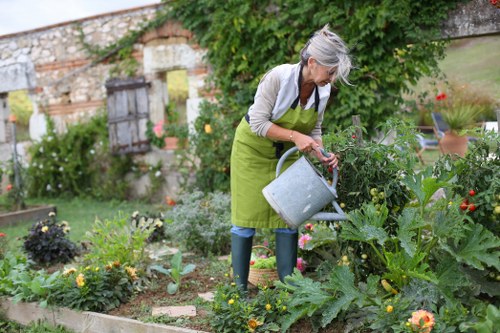 Community engagement and education reinforce operational systems. While we exclude formal guides from this page, our teams hold informal site briefings and demonstrations for residents and estate managers to show the benefits of separation, composting and reuse. We also work with community groups to stage collection days where larger reusable items can be assessed for donation rather than disposal.
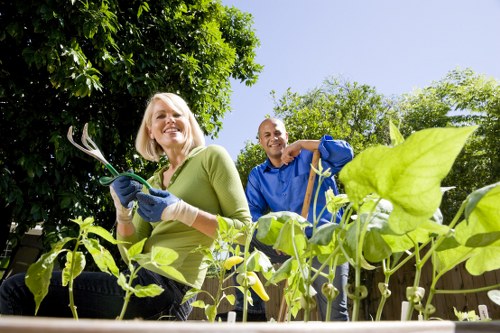 Measurement and transparency underpin our sustainability commitments. We report recycling percentages against the Gardeners Hammersmith target each quarter, track vehicle emissions from our low-carbon vans, and monitor diversion rates at the local transfer stations we use. These metrics help us refine routes, improve training and deepen partnerships that increase reuse and recycling.
Gardeners Hammersmith is proud to serve the Hammersmith community with a pragmatic, accountable approach to waste and sustainability. By combining a clear recycling percentage target, effective use of local transfer stations, close charity partnerships and a low-emission fleet, we are building greener neighbourhoods and demonstrating how professional gardening can be a force for circular, low-carbon practice.
Our ongoing pledge is to continually raise recovery rates, expand charitable reuse, and reduce transport emissions so that each project contributes positively to the borough's environmental goals. Together with local partners and residents, Hammersmith gardeners can transform how green waste and garden materials are valued, reused and returned to the soil.

