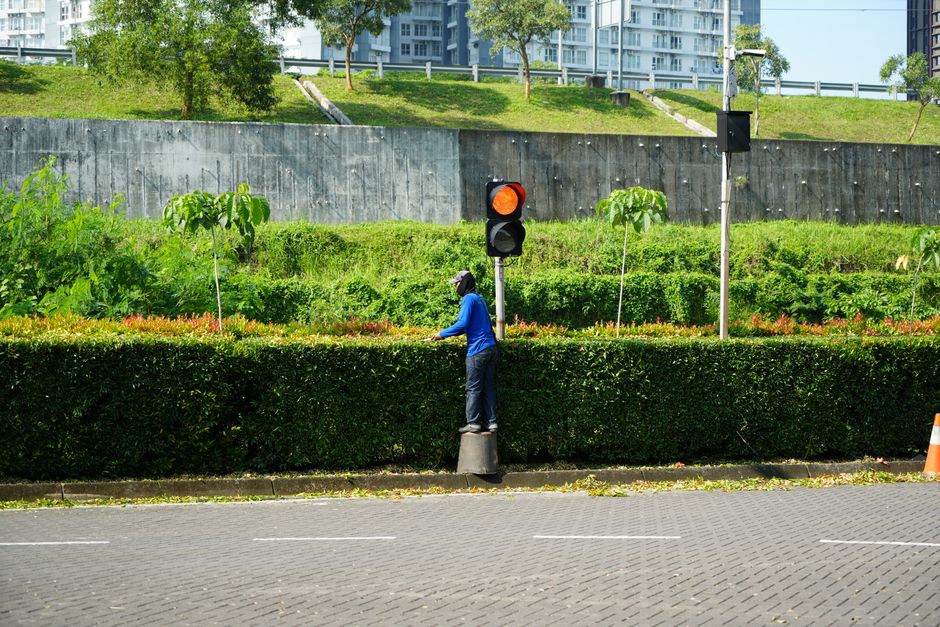
Lyric Hammersmith hedge trimming by local gardeners
If you live or work near the Lyric Hammersmith, you already know how quickly a tidy frontage can make a place feel cared for. Overgrown hedges do the opposite. They spill onto paths, shade windows, collect litter, and make a small outdoor space feel much smaller than it is. That is where Lyric Hammersmith hedge trimming by local gardeners comes in: a practical, local service that keeps borders sharp, boundaries under control, and gardens looking deliberate rather than simply "left to grow".
This guide explains how the process works, what local gardeners actually do, when to book hedge trimming, and how to judge quality without getting lost in jargon. It also covers sensible safety, maintenance, and decision-making points that matter in a busy London setting. Truth be told, a good hedge trim is one of those jobs you only notice when it's done badly. When it's done well, everything just feels calmer.
For readers who want a broader view of garden upkeep beyond hedges, the service pages for garden maintenance and services overview are useful starting points. If you're comparing options, this article will help you decide whether a one-off trim, a seasonal visit, or ongoing care makes the most sense.
Contents
- Why Lyric Hammersmith hedge trimming by local gardeners matters
- How Lyric Hammersmith hedge trimming by local gardeners works
- Key benefits and practical advantages
- Who this is for and when it makes sense
- Step-by-step guidance
- Expert tips for better results
- Common mistakes to avoid
- Tools, resources and recommendations
- Law, compliance, standards, or best practice
- Options, methods, or comparison table
- Case study or real-world example
- Practical checklist
- Conclusion
- Frequently asked questions
Why Lyric Hammersmith hedge trimming by local gardeners matters
The area around the Lyric Hammersmith has the kind of mixed-use rhythm that makes garden presentation matter more than people sometimes realise. There are homes, shared access routes, small commercial frontages, and side returns that need to look tidy without becoming sterile. A hedge is not just decoration. It's a living boundary, a privacy screen, and often the first thing visitors, neighbours, or customers see.
Local gardeners understand that context. They know when a hedge is simply due for a shape-up and when it has become a visibility, access, or maintenance issue. They also tend to work with the practical realities of London gardens: limited side access, awkward pruning angles, bins in the way, and the occasional "I'll just move that chair later" situation that never quite happens. You know the sort.
That local knowledge matters because hedge trimming is partly technical and partly judgement. Cutting too little can leave the garden looking half-finished. Cutting too much can strip the hedge, expose gaps, or damage its form. A gardener who works locally will usually be more familiar with the growth cycles of common hedging plants and the seasonal pressure points that affect them in city gardens.
There is also a safety angle. Neatly trimmed hedges reduce the risk of branches encroaching on paths, doors, gates, and shared boundaries. In damp weather, an overgrown hedge can become a nuisance fast, especially when it brushes across walkways or blocks sightlines. So while this may sound like a cosmetic job, it often supports everyday usability too.
Expert summary: Good hedge trimming is not only about making a hedge shorter. It is about preserving shape, protecting plant health, improving light and access, and keeping the garden manageable over time.
How Lyric Hammersmith hedge trimming by local gardeners works
At its simplest, hedge trimming follows a straightforward sequence. A local gardener assesses the hedge, agrees the scope of work, trims it using the right tools, clears the cuttings, and leaves the area tidy. In practice, though, the quality comes from all the small decisions inside those steps.
1. Initial look-over
The first step is usually a quick inspection. The gardener checks the hedge type, density, height, recent growth, and any problem areas such as dead sections or uneven lines. They may also spot nearby issues like a leaning fence, tree shade, or a section of hedge that is suffering from poor airflow. That kind of observation is valuable because the trim can be adjusted before any cutting starts.
2. Agreeing the outcome
A decent gardener should confirm whether you want a light tidy-up, a more formal shape, or a heavy reduction. Those are not the same thing. A light trim keeps the current size and shape neat. A reduction lowers the hedge or narrows it. A restoration cut may be needed for older, neglected hedges, but that takes more care and more time.
3. Trimming with the right method
Most hedge work is done with handheld shears, electric hedge trimmers, or a mix of both. The method depends on the hedge species and the finish required. For example, a fine ornamental hedge usually needs a gentler hand, while a dense boundary hedge can often be shaped more efficiently with powered equipment. The gardener should work evenly, checking lines as they go rather than racing through it in one pass. Speed is fine. Sloppiness, less so.
4. Shaping and finishing
Professional hedge trimming is about balance. Good gardeners taper hedges slightly so the lower growth receives enough light. That helps the hedge stay healthy and dense all the way down, rather than going bare at the bottom. They also pay attention to corners, tops, and the meeting point with fences, patios, or walls, because these are the places where messy edges show most clearly.
5. Clearing debris
Cuttings are gathered and removed so paths, patios, and borders are left usable. This is one reason people book local gardeners instead of doing it all themselves on a Saturday morning. No one really wants to spend the rest of the day sweeping tiny clippings out of slabs with a stubborn broom. It's oddly satisfying when it's all gone, though.
6. Final check
A proper finish includes a final inspection. The gardener looks for missed sprigs, uneven lines, visible damage, and any cleanup that needs a second pass. If the hedge sits near a walkway or street-facing edge, they should make sure it's neat from the main viewing angle, not just from the one they worked on directly.
If hedge trimming is part of a broader upkeep plan, it often pairs naturally with lawn mowing and other regular garden care. That combination tends to keep the whole space in rhythm, rather than letting one area look polished while the rest slips behind.
Key benefits and practical advantages
There are a few benefits people expect from hedge trimming, and a few they only notice after the job is done. The obvious one is appearance: the garden looks sharper, cleaner, and more intentional. But there's more to it than that.
- Better light: Thinning and shaping hedges can help light reach nearby plants, windows, and seating areas.
- Improved access: Paths, gates, and side returns become easier to use when hedge growth is kept under control.
- Healthier growth: A balanced trim supports denser, more even regrowth and reduces the chance of a hedge becoming leggy.
- Lower stress on the garden: Regular trimming is easier on the hedge than waiting until it is wildly overgrown.
- Better kerb appeal: Street-facing hedges make a strong first impression, especially around a busy local setting like Hammersmith.
- Less ongoing maintenance: Once a hedge is brought back under control, routine visits are usually simpler and quicker.
There is also a practical planning benefit. Local gardeners often spot related tasks while trimming, such as fallen branches, blocked corners, or hedges that need to be coordinated with nearby planting or fencing. That's where broader services like garden maintenance or landscape gardening can make sense, especially if the hedge is part of a larger design rather than a standalone feature.
Who this is for and when it makes sense
Lyric Hammersmith hedge trimming by local gardeners is useful for all sorts of properties, not just large gardens. In fact, smaller London plots often benefit the most because any overgrowth shows up quickly and can dominate the space.
Homeowners
If your hedge is touching the pavement, blocking windows, or losing shape, a local gardener can bring it back into line without turning the whole garden upside down. This is especially handy if you have a small front garden or a side hedge that keeps growing just a bit too enthusiastically. Hedge plants do not really care about your weekend plans.
Landlords and managing agents
For rented properties, hedges need to be kept presentable and safe. A quick trim can prevent complaints, improve first impressions for viewings, and reduce small maintenance issues before they become larger ones. If you manage a portfolio, regular visits can be simpler than one-off emergency jobs.
Local businesses and venues
Near a place like the Lyric Hammersmith, tidy hedging can contribute to a professional, welcoming frontage. It matters for cafes, clinics, offices, studios, and other premises that rely on a clean external appearance. Even a modest hedge line can influence how people feel before they walk through the door.
People with neglected hedges
Maybe the hedge has been left for a season too long. Perhaps the previous gardener stopped coming. Maybe life just happened. That's fine. A local gardener can usually assess whether the hedge needs a standard trim, a staged reduction, or a more careful recovery plan.
Anyone planning wider garden work
Hedge trimming is often best timed alongside other outdoor jobs, such as clearance, border tidying, or structural changes. If your garden is becoming a bit of a jumble, garden clearance can be a useful first step before detailed maintenance starts.
Step-by-step guidance
If you're thinking about booking hedge trimming, here is a sensible way to approach it.
- Walk the hedge first. Check for gaps, dead sections, hidden wires, nesting activity, or branches pressing against surfaces.
- Decide what you want the hedge to do. Privacy, boundary marking, shape, height control, or a cleaner street view all lead to slightly different trimming choices.
- Note access issues. Side gates, narrow passages, decking, delicate planting, and parked vehicles can affect the job plan.
- Ask about timing. Some hedges are better trimmed lightly and regularly rather than cut back hard in one go.
- Confirm waste removal. Make sure clippings are taken away or handled as agreed.
- Review the finish in daylight. If possible, inspect the hedge once the area is fully visible. Late afternoon shadows can hide small uneven spots.
- Plan the next visit. A good hedge is usually maintained, not just "fixed".
A small but useful clarification: if you want a hedge reduced in size, say so early. A trim and a reduction are not interchangeable. It sounds obvious, yet it's one of the most common misunderstandings people have when booking garden work.
Expert tips for better results
These are the details that tend to separate a decent trim from a really tidy one.
- Trim slightly wider at the bottom only if the hedge type needs it. Most hedges benefit from a subtle taper so the lower branches do not sit in shade.
- Do not leave the top flat if the sides are still bulging. It can make the hedge look heavy and unfinished.
- Work with the natural line of the hedge. Forcing a hedge into a shape it doesn't suit often leads to weak-looking results.
- Keep an eye on new growth points. Cutting just above them encourages a neater regrowth pattern.
- Mind the season. A hedge can look great after a trim in summer, but if it is cut too hard at the wrong moment, it may need longer to recover.
- Clear cuttings promptly. Damp clippings left in a heap can create slip hazards and make the garden feel untidy again very quickly.
One practical tip that is often overlooked: take a photo before the work starts. Not for drama, just for reference. It helps you compare the finished shape against the original condition, especially if you're trying to restore balance rather than change the hedge completely.
And if a hedge sits beside a path or seating area, check it from human eye level, not from standing right in front of it. The view from five metres away is the one that matters. Slightly annoying, but true.
Common mistakes to avoid
Hedge trimming looks simple until it isn't. A few common mistakes crop up again and again.
- Cutting too hard in one session: This can leave the hedge sparse, stressed, or uneven.
- Ignoring the hedge species: Different plants respond differently to pruning, so one approach does not fit all.
- Chasing perfection with every branch: Tiny over-corrections often create a less natural result.
- Leaving the sides narrower than the top in the wrong way: A poor angle can reduce light to the lower hedge.
- Skipping cleanup: Even a beautifully trimmed hedge looks unfinished if clippings are left everywhere.
- Assuming all hedges should be trimmed on the same schedule: Fast-growing hedges and slow-growing hedges need different routines.
Another mistake is waiting until the hedge becomes a problem before calling anyone. By then, the job often takes longer and costs more, because the gardener has to correct shape, size, and structure at the same time. Regular trimming is just easier. Less drama, fewer surprises.
Tools, resources and recommendations
Local gardeners typically use a mix of hand and powered tools depending on hedge size and detail level. The right kit matters because the wrong tool can tear rather than cut, especially on finer hedges.
| Method | Best for | Strengths | Watch-outs |
|---|---|---|---|
| Hand shears | Small, detailed, ornamental hedges | Clean finish, precise shaping | Slower on larger hedges |
| Electric hedge trimmer | Medium to large hedges | Efficient, consistent across longer runs | Can remove too much if rushed |
| Long-reach tools | Tall or awkward hedges | Safer access to upper sections | Needs good control and visibility |
| Secateurs or loppers | Thicker shoots and selective cutting | Better for precise branch removal | Not suited to finishing full faces |
Useful supporting services can also play a part. If the hedge sits near overhanging trees, tree lopping and removal may be relevant. If the hedge forms part of a broader redesign, landscaping or decking services might be worth considering too. Sometimes one tidy-up reveals three more small jobs. That's garden life for you.
Law, compliance, standards, or best practice
For hedge trimming in a residential or mixed-use London setting, the most useful approach is to follow sensible best practice rather than assuming every hedge can be cut in the same way. If a hedge borders a pavement, road, shared access route, or neighbouring property, the work should be planned with care so it does not create obstruction, mess, or avoidable risk.
In plain English, that means a few things. First, the gardener should work safely and keep tools, debris, and branches under control. Second, they should respect neighbouring property and access. Third, they should avoid unnecessary damage to the hedge or adjacent planting. Where there is any uncertainty about nesting birds, buried cables, shared boundaries, or protected plants, caution is the sensible choice. Better a brief pause than a bad cut.
Professional gardeners should also operate with proper insurance and a safety-first approach. If you are comparing providers, it is reasonable to ask about insurance and safety and review their health and safety policy. That does not make the job complicated. It simply shows that the work will be handled properly and with less chance of avoidable issues.
If you want clarity on service expectations, payments, or how a job is handled from booking to completion, the site's terms and conditions and payment and security information are practical reference points. Small detail, yes. Important detail, also yes.
Options, methods, or comparison table
People usually choose between three broad approaches: a one-off tidy, a seasonal trim, or a maintenance plan. Each has its place.
| Option | Best for | Pros | Cons |
|---|---|---|---|
| One-off hedge trim | Hedges that just need a tidy-up | Simple, quick, good for immediate presentation | Can drift out of shape again if left too long |
| Seasonal trimming | Fast-growing or visible hedges | Keeps growth under control, easier to manage | Needs a bit of planning through the year |
| Ongoing maintenance | Front gardens, business fronts, managed properties | Most consistent finish, fewer surprises | Requires regular scheduling |
If the hedge is part of a larger upkeep routine, a regular package linked with garden maintenance is often the least stressful option. It keeps the whole outside space on a steady rhythm, which is especially helpful where appearances matter week to week.
Case study or real-world example
Imagine a small front garden near the Lyric Hammersmith. The hedge has been left for most of the growing season, and from the street it now looks heavy on top, thin at the base, and a little unruly around the edges. The owner wants privacy but also wants the path to feel open again. Fair enough.
A local gardener would usually start by checking the hedge line, trimming back the outer growth, and reshaping the top so it sits more evenly with the property front. If the hedge is close to a pavement, they would work carefully to avoid spilling clippings into the walkway. Any cuttings would be collected as they go, rather than left for the end in one giant, slightly tragic heap.
By the time the work is finished, the hedge should still look like a hedge. Not butchered. Not over-sculpted. Just lighter, cleaner, and easier to live with. The biggest change is often how the whole frontage feels: brighter, more orderly, less like something is trying to take over the steps.
In a larger example, a shared garden near a side access route may need hedge trimming alongside border tidying and clearance. In that case, garden clearance can support the work by removing clutter first, making the hedge easier to access and shape properly. Simple job, better result.
Practical checklist
Use this quick checklist before booking or during a site visit.
- Is the hedge being trimmed for shape, height, width, or all three?
- Do you want a light tidy or a more noticeable reduction?
- Are there access issues, parked cars, pets, or delicate planting nearby?
- Has the hedge been cut recently, or is this a longer gap between visits?
- Does the hedge border a path, pavement, fence, or shared boundary?
- Should clippings be removed from the site?
- Will the trim need to be coordinated with other garden work?
- Are there any visible signs of damage, disease, or dead sections?
- Have you agreed the finish and next visit timing?
- Have you checked whether the gardener works with proper safety practices?
Practical takeaway: The clearest brief usually gets the best result. If you can describe what you want in one or two sentences, the gardener can usually give you a much better outcome than if everything is left vague. And yes, a quick photo helps too.
Conclusion
Lyric Hammersmith hedge trimming by local gardeners is about more than cutting green growth back into line. It is about keeping a local property neat, safe, and workable, while respecting the shape and health of the hedge itself. In a busy part of London, that matters. A lot, actually.
Whether you need a simple seasonal tidy, a more careful reduction, or regular maintenance alongside other garden work, the best results usually come from a calm plan and a local team that understands the space. That combination keeps things tidy without turning the garden into a project that never ends.
If you are weighing up your next step, start with the hedge, look at the rest of the garden around it, and decide whether it needs one-off care or ongoing attention. Either way, a well-kept hedge makes the whole place breathe a little easier.
Get a free quote today and see how much you can save.
And if you're still unsure, that's fine too. A good garden choice should feel straightforward, not stressful.
Frequently Asked Questions
How often should a hedge near the Lyric Hammersmith be trimmed?
It depends on the hedge type and how visible it is. Fast-growing hedges may need trimming more often, while slower-growing ones can usually be maintained less frequently. A local gardener can suggest a practical schedule based on how quickly yours grows and how neat you want it to look.
What is the difference between hedge trimming and hedge reduction?
Trimming tidies the hedge and keeps its current shape and size under control. Reduction removes more growth and lowers or narrows the hedge. People often ask for a trim when they really want a reduction, so it helps to be clear from the start.
Can hedge trimming help improve light in a small garden?
Yes. A carefully shaped hedge can let more light into the garden, nearby windows, and planting beds. This is especially noticeable in compact London gardens where even a small amount of shading can make the space feel darker than it should.
Will local gardeners remove the hedge cuttings?
Usually, yes, if that has been agreed in advance. It is worth confirming at the booking stage so you know whether the clippings will be taken away or left for you to dispose of. Nobody likes an unexpected pile of green confetti on the driveway.
Is it better to trim hedges in spring, summer, or autumn?
There is no one perfect answer for every hedge. Many hedges respond well to regular light trims during the growing season, but the timing should match the plant and its condition. A gardener will normally avoid heavy cuts at the wrong time of year.
What should I do before a hedge trimming visit?
Clear access where possible, move fragile items, and let the gardener know about pets, parked vehicles, or narrow entry points. If you want a particular finish, say so before the work begins. That small conversation can save a lot of back-and-forth later.
Can hedge trimming be combined with other garden services?
Absolutely. Many people combine it with lawn mowing, garden maintenance, or landscaping if the whole space needs a refresh. That is often the most efficient approach.
Do I need to worry about safety or insurance?
It is sensible to ask. A professional gardener should be able to explain their safety approach and whether they carry appropriate insurance. You can review the provider's insurance and safety information for peace of mind.
What if my hedge is very overgrown?
If it has been left for a long time, it may need a careful reduction rather than a simple trim. In some cases, the work is best done in stages so the hedge stays healthy and the final shape looks balanced rather than harsh.
Is hedge trimming worth it for a small front garden?
Very often, yes. In a small garden, a neat hedge can make the whole space feel bigger, brighter, and more welcoming. Because the hedge is so visible, even a modest trim can have a surprisingly large impact.
How do I know if a local gardener is the right choice?
Look for someone who understands the garden's layout, asks sensible questions, and explains what will happen rather than guessing. Local gardeners are often a better fit because they understand the conditions, access issues, and expectations of the area around Hammersmith.
Can hedge trimming be part of a wider seasonal tidy-up?
Yes, and that is often the smartest way to do it. A hedge trim alongside general upkeep, clearance, or even fencing-related work can save time and improve the overall finish. If the garden has started to feel a bit out of sync, that wider reset can be very effective.