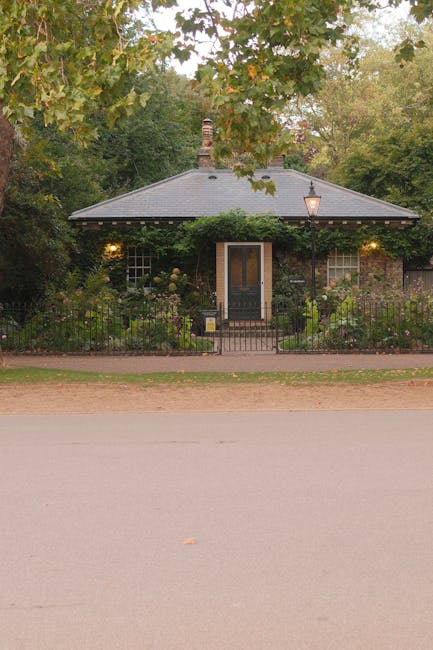
King Street Hammersmith front garden ideas from gardeners: practical ways to make a small frontage work harder
If you live near King Street in Hammersmith, you already know the front of the house does a lot of quiet heavy lifting. It sets the tone, affects kerb appeal, and often has to cope with a narrow pavement edge, a bit of shade, a bit of traffic dust, and not much room to spare. That is exactly why King Street Hammersmith front garden ideas from gardeners need to be practical as well as attractive. A good front garden should look welcoming on a damp Tuesday morning, not just in spring sunshine.
In this guide, we will look at front garden ideas that suit Hammersmith homes, from compact planting and low-maintenance borders to hard landscaping, screening, lighting, and simple upkeep. You will also find a step-by-step plan, common mistakes to avoid, and a realistic checklist you can actually use. If you are thinking beyond a quick tidy-up, landscape gardening and landscaping services can help turn a tired frontage into something that feels properly finished. Let's get into it.
Table of Contents
- Why King Street Hammersmith front garden ideas from gardeners matters
- How King Street Hammersmith front garden ideas from gardeners works
- Key benefits and practical advantages
- Who this is for and when it makes sense
- Step-by-step guidance
- Expert tips for better results
- Common mistakes to avoid
- Tools, resources and recommendations
- Law, compliance, standards, or best practice
- Options, methods, or comparison table
- Case study or real-world example
- Practical checklist
- Conclusion
- Frequently asked questions
Why King Street Hammersmith front garden ideas from gardeners matters
A front garden is not just decoration. It is the first bit of your property people notice, and in a street like King Street, that first impression matters more than many homeowners realise. A neat, well-planned front garden can make a house feel cared for, lift the whole frontage, and create a more pleasant daily view every time you come home with shopping, keys, and the usual bag of small life admin.
There is also a practical side. Front gardens often need to work harder than rear gardens because they are more visible, more exposed, and more likely to need regular tidying. You may be dealing with compact soil, patchy grass, foot traffic, bins, bikes, boundary concerns, or a layout that is basically a long narrow strip. That is where gardener-led planning helps. Instead of forcing a big-garden idea into a small urban frontage, you get a design that fits the actual space.
To be fair, front gardens in London can fall into one of two camps: overcomplicated or ignored. Neither is ideal. The best approach is somewhere in the middle. Simple enough to maintain, but thoughtful enough to feel intentional. That balance is the real value here.
Expert summary: The best front garden ideas for King Street properties are usually the ones that look clean, stay tidy, and match how you actually live. If it is beautiful but a pain to maintain, it will probably not stay beautiful for long.
How King Street Hammersmith front garden ideas from gardeners works
In practice, a front garden project usually starts with a clear look at space, light, access, and maintenance needs. Gardeners will often assess what the frontage already gives you: sunny or shaded conditions, hardstanding, existing beds, drainage issues, privacy, and how the garden connects to the pavement or path. Then the design is shaped around those real conditions rather than a fashionable idea pulled from somewhere else.
A typical process might involve three things:
- Understanding the brief - Do you want low maintenance, more colour, better structure, privacy, or a smarter arrival to the house?
- Reviewing the site - Gardeners look at width, depth, soil condition, boundaries, and how much ongoing care the space will need.
- Building a workable plan - This may include planting, edging, paving, gravel, screening, turf, or simple lighting.
The best King Street Hammersmith front garden ideas usually combine a few elements rather than relying on one feature alone. For example, a slim gravel bed with evergreen structure, a clean path, and one focal shrub can look calmer and more finished than a crowded mix of plants that all compete for attention.
If the garden needs a complete reset before any design work can happen, garden clearance is often the sensible first step. It is amazing how much design clarity appears once the old clutter is out of the way. Suddenly, the space makes sense again.
Key benefits and practical advantages
Good front garden design is not just about style. There are real everyday benefits, and the practical ones often matter most.
- Better kerb appeal: A tidy frontage makes the home feel more welcoming and better cared for.
- Lower maintenance: The right planting scheme saves time and reduces the weekend chore list.
- Improved privacy: Smart screening can soften sightlines without making the home feel closed in.
- More usable space: Even a small front garden can feel bigger with the right layout.
- Year-round structure: Evergreens, hedges, and hard features stop the garden looking empty in winter.
- Better drainage and durability: Proper surfaces and bed preparation can prevent muddy patches and worn paths.
There is also a less obvious advantage: psychological comfort. You feel differently walking up to a house that looks ordered, alive, and easy on the eye. It sounds small. It is not small. It changes the whole arrival experience.
For homes where the front garden includes a lawn, regular care helps preserve that clean appearance. A simple plan with lawn mowing and seasonal border work can keep the frontage looking crisp without turning it into a full-time hobby.
Who this is for and when it makes sense
This kind of planning makes sense for a lot of people, not just homeowners with a big design budget. In fact, some of the best results come from modest, well-judged improvements. If you are on King Street or nearby and any of the following sound familiar, you are probably in the right place.
- Your front garden looks tired, patchy, or overly crowded.
- You want a smarter entrance without adding lots of upkeep.
- You have a narrow frontage and need ideas that suit limited space.
- You want more privacy from the street without blocking light.
- You are preparing to sell or rent and want stronger first impressions.
- You have a family home and need something durable, not delicate.
- You already know the garden needs a refresh, but you are unsure where to start.
It also suits people who are realistic about time. If you know you are not going to deadhead flowers every few days or fuss over a complicated bedding scheme, the design should reflect that. Truth be told, a simple evergreen layout with neat edges often beats a fussy one that needs constant attention.
If you are comparing service options or broader support, the page on services overview is a useful starting point for understanding what a gardening team can typically handle.
Step-by-step guidance
A good front garden makeover does not have to be complicated. It just needs to be deliberate. Here is a sensible way to approach it.
1. Start with a proper look at the space
Walk the frontage at different times of day. Morning shade can be quite different from afternoon sun, and winter light tells a different story again. Notice where water sits, where people naturally walk, and which areas look bare or cluttered. Small observations here save bigger mistakes later.
2. Decide the main purpose
Is the garden meant to be mostly decorative, mostly low-maintenance, or a mix of both? A front garden without a clear purpose tends to become a bit of everything and excellent at nothing. That is the danger. Be decisive early.
3. Keep the structure simple
Use one or two strong features rather than six competing ideas. That might mean a clean path, a low hedge, a neat gravel bed, and a couple of anchor plants. Or it might mean a compact lawn with shaped borders. Simplicity gives a frontage confidence.
4. Choose plants that behave themselves
For urban front gardens, the best plants are usually ones that stay reasonably tidy, suit the light levels, and do not outgrow the space in a hurry. Evergreen shrubs, ornamental grasses, compact flowering plants, and clipped hedging are all common options. Nobody wants a plant that looks lovely for three weeks and then takes over the path like it owns the place.
5. Make access feel obvious
Front garden design should never make walking to the door awkward. Pathways need to be clear, safe, and wide enough for day-to-day use. If the route is badly defined, the whole garden can feel slightly hostile, even if the planting is attractive.
6. Add finishing touches only after the basics are right
People often jump straight to decorative extras. But the basics matter first: edging, surfacing, planting layout, and maintenance access. Once those are right, lighting, pots, seasonal colour, or decorative stone can add polish rather than distraction.
For homeowners considering more structural changes, such as raised edges, defined zones, or timber features, decking services may be relevant where the design includes a raised seating or frontage transition area. Not every front garden needs decking, obviously, but in the right setting it can tidy up the whole composition.
Expert tips for better results
Here are the small decisions that make a big difference. These are the sorts of details that usually separate a nice front garden from one that genuinely works.
- Use evergreen structure first. Even one or two evergreen elements can stop the garden feeling empty in colder months.
- Repeat shapes. Repetition in planting or edging gives a frontage a calmer, more designed feel.
- Don't overfill the bed. Plants need space to grow, and crowded beds tend to look messy faster than people expect.
- Match materials to the house. A Victorian frontage and a modern terrace rarely want the same finish. Let the property style guide you.
- Allow for maintenance access. If you cannot easily reach a border, it will become difficult to keep neat.
- Choose one focal point. A feature tree, a statement pot, or a clipped shrub can work better than several competing focal bits.
A small human aside: some of the best front gardens I have seen were not flashy at all. Just tidy, balanced, and quietly confident. They looked like someone cared. That is often enough.
If hedges are part of your frontage, routine hedge trimming keeps lines crisp and prevents the whole thing from swallowing the path. It is one of those jobs that feels minor until you skip it twice. Then you notice immediately.
Common mistakes to avoid
Front gardens are easy to get wrong because the space is small enough that every decision shows. Here are the errors gardeners see again and again.
- Overdesigning the space: Too many materials, too many plant types, too many levels. It gets busy fast.
- Ignoring maintenance: A high-upkeep scheme might look good on day one, but it can become stressful by month three.
- Poor scale choices: Tiny plants in a large frontage can look lost, while oversized shrubs can dominate the house.
- Weak boundary treatment: Untidy edges, broken fencing, or mixed boundary styles can undermine everything else.
- Forgetting drainage: If water pools near the path or steps, the garden becomes frustrating and sometimes unsafe.
- Choosing plants for photos, not conditions: A plant that hates shade will not magically enjoy a dim north-facing spot.
Another one: forgetting seasonal change. A frontage can look lovely in late May and then thin out badly in February if there is no evergreen backbone. That seasonal gap matters more than most people think.
And yes, the old temptation to add "just one more plant" is a real thing. Resist it. Usually.
Tools, resources and recommendations
You do not need an enormous toolkit to keep a front garden under control, but the right basics make maintenance much easier. A few practical essentials go a long way.
- A sharp pair of secateurs for light pruning and deadheading
- A sturdy hand fork and trowel for border work
- A hose or watering can for new planting
- Garden gloves that actually fit properly, not the floppy ones that slip off all the time
- A broom for paths and hard surfaces
- Basic edging tools for keeping beds and lawns defined
For ongoing care, many homeowners benefit more from a regular maintenance plan than a one-off tidy. The page on garden maintenance is relevant if you want the frontage kept in shape rather than simply redesigned and left to fend for itself.
If the garden includes wider soil improvement, mulching, or replanting after years of neglect, a careful approach to recycling and sustainability can be useful too. Reusing healthy materials and disposing of waste responsibly is just the right thing to do, and it often keeps the project cleaner overall.
For homeowners wanting a clear sense of costs and what is included, pricing and quotes is the most direct place to understand how work is usually scoped. It helps to ask for a breakdown rather than guessing. Guessing is expensive. Usually not in the fun way.
Law, compliance, standards, or best practice
Front garden work is usually straightforward, but there are still a few practical standards and responsibilities worth keeping in mind. If your design affects access, boundaries, visibility, waste handling, or nearby trees and hedges, it is wise to handle the work carefully and with common sense.
In London, many homes have shared boundaries, narrow frontages, or features close to public pavement space. That means the safest route is often to avoid anything that blocks access, creates trip hazards, or overspills onto neighbouring land. If there is a mature tree involved, it is sensible to check whether specialist work is needed before pruning or removal. For that kind of situation, tree lopping and removal may be relevant, but only where proper assessment shows it is appropriate.
Best practice also means using appropriate methods for lifting, cutting, waste removal, and surface installation. On a small urban frontage, careless work is very noticeable. Edges should be neat, pathways stable, and any new planting or hard landscaping suitable for repeated use.
If you are unsure about how work is carried out, it is reasonable to ask about safety, insurance, and working methods. The pages on insurance and safety and health and safety policy are useful for understanding the kind of standards a professional team should be thinking about. Not glamorous, maybe, but absolutely relevant.
Options, methods, or comparison table
Different front garden styles suit different goals. The right option depends on how much time you want to spend maintaining it and what sort of look fits the property.
| Approach | Best for | Maintenance level | Notes |
|---|---|---|---|
| Evergreen planting scheme | Year-round structure and a neat look | Low to moderate | Good for a smart frontage that stays presentable through winter |
| Gravel and planting beds | Low-maintenance urban spaces | Low | Works well where drainage and clear edging matter |
| Compact lawn with borders | Traditional look and soft kerb appeal | Moderate | Needs regular mowing and trimming to stay sharp |
| Hard landscaping with minimal planting | Very busy households or limited soil conditions | Low | Can look clean and modern if materials are chosen well |
| Mixed frontage with screening | Privacy and visual balance | Moderate | Best when screening is subtle, not boxy or oppressive |
There is no single best option. That is the honest answer. A terraced home with a narrow bay frontage will usually want something different from a larger semi with a deeper garden line. The trick is to choose the method that supports the house instead of fighting it.
Case study or real-world example
Imagine a typical King Street frontage: a narrow front garden with patchy grass, a worn path, a couple of overgrown shrubs, and a boundary hedge that has not been properly cut in ages. It is not a disaster. It just feels unfinished. Every bit of it whispers "I'll deal with that later."
A sensible redesign might begin with a clear-out, reshaping the space so the path is obvious and the garden edge reads cleanly. The old shrubs could be replaced with a simple mix of evergreen structure and one seasonal plant for softness. A low hedge or clipped border would give the frontage a tidier silhouette. If the grass is staying, it should be reduced to a manageable shape and supported by regular lawn mowing. If the grass is going, a more durable surface or planted gravel bed may be the smarter call.
The result is not about drama. It is about relief. The house looks more cared for, the entrance feels calmer, and the maintenance burden drops. You notice it on the first wet afternoon, when the path stays clearer and the whole place looks less weary. That is the real win.
If the transformation involves substantial clearing, reshaping, or a fresh start, a team that handles garden clearance and landscape gardening can help take it from scruffy to coherent without overcomplicating the design.
Practical checklist
Use this checklist before you commit to a front garden plan. It keeps the project grounded.
- Have I defined the main purpose of the front garden?
- Does the layout suit the actual width and depth of the space?
- Will the planting work in the light levels available?
- Is the maintenance realistic for my time and budget?
- Have I kept pathways, steps, and access points clear?
- Does the design include year-round structure?
- Are the borders and edges easy to keep tidy?
- Have I allowed for drainage and surface durability?
- Does the frontage suit the style of the house?
- Have I thought about privacy without blocking light?
- Do I know which jobs need regular care and which can be left alone?
If you can answer yes to most of those, you are on solid ground. If not, slow down a little. Better to pause and plan than to plant three things and regret all three by autumn.
Conclusion
The best King Street Hammersmith front garden ideas from gardeners are usually the ones that make life easier as well as prettier. A good frontage should welcome you home, stand up to everyday use, and not demand constant rescue work. That means planning with care, choosing plants and materials that suit the space, and keeping the design honest about how much maintenance you actually want to do.
Whether you are starting from scratch or simply trying to rescue an overgrown front patch, the smartest move is to focus on structure first, then add character. A clear path, tidy edges, sensible planting, and a little seasonal interest can go a long way. In a place like Hammersmith, where space is often tight and first impressions are right there on the pavement, that calm, well-finished look really matters.
And if your front garden has been niggling at you for months, that is usually a sign. Not panic. Just a sign that it is ready for a better plan.
Get a free quote today and see how much you can save.
Frequently Asked Questions
What are the best front garden ideas for a small King Street Hammersmith property?
The best ideas are usually simple, structured, and low-maintenance. Think evergreen planting, a clear path, neat borders, and one or two focal features rather than lots of competing details. Small spaces work best when they feel calm and uncluttered.
How do gardeners make a front garden look bigger?
They often use repetition, clean lines, and restrained planting. A narrow garden can feel wider when the layout is uncluttered and the path is obvious. Avoiding too many materials also helps the space feel more open.
Do front gardens need more maintenance than rear gardens?
Often, yes. Front gardens are more visible, so they tend to look messy faster. They also face more street dust, weather exposure, and constant visual scrutiny. A low-maintenance design helps a lot.
Is a lawn a good idea for a front garden?
Sometimes, yes. A small lawn can give a soft, traditional feel, but it only works well if you are willing to keep it edged and mown regularly. If upkeep is a concern, planted beds or gravel may be a better fit.
What plants work well in a front garden in Hammersmith?
Plants that stay neat, tolerate urban conditions, and offer structure year-round are usually the safest bet. Evergreen shrubs, clipped hedging, ornamental grasses, and compact flowering plants are common choices. The exact mix depends on light and soil conditions.
How much should I plan to spend on a front garden makeover?
Costs vary a lot depending on size, materials, planting depth, and how much clearing is needed first. It is best to ask for a tailored quote rather than assume a flat figure. A detailed scope usually gives a better result than guessing.
Do I need planning permission for front garden work?
Most routine gardening does not require planning permission, but more substantial changes can raise questions around surfacing, drainage, boundaries, or tree work. If in doubt, check before starting. Careful planning is always better than sorting things out later.
Can gardeners help with both design and ongoing maintenance?
Yes, and that is often the best arrangement. A design that looks good but is hard to maintain usually fades quickly. Ongoing support through garden maintenance helps keep the original idea looking like the original idea, which sounds obvious, but it matters.
What is the easiest way to improve kerb appeal quickly?
Start with the basics: clear clutter, trim hedges, define edges, and refresh planting or surfaces that look tired. Even small improvements can change the whole mood of a frontage. A neat approach often has more impact than a big, expensive redesign.
How do I stop a front garden looking bare in winter?
Use evergreen structure, clipped shapes, and hard elements like paths or edging so the garden still has form when flowers fade. A winter-ready frontage relies on bones, not just colour. That is the trick, really.
Can a gardener remove overgrown trees or hedges at the front of my house?
Potentially, yes, but it depends on the size, condition, and location of the tree or hedge. Some work is straightforward; some needs a more careful assessment. If the frontage includes large woody growth, tree lopping and removal may be the relevant service.
How do I choose between landscaping and simple garden maintenance?
If the garden already has a decent structure and mainly needs regular care, maintenance may be enough. If the space feels poorly arranged, overgrown, or impractical, then landscaping or redesign is usually the better answer. The difference is whether you need upkeep or a reset.
If you would like a clearer idea of what suits your frontage, the next best step is to look at the available services overview and match the work to your space rather than forcing a one-size-fits-all plan. A good front garden is not about perfection. It is about making the place feel right every time you walk up to it, which is a lovely thing when you think about it.