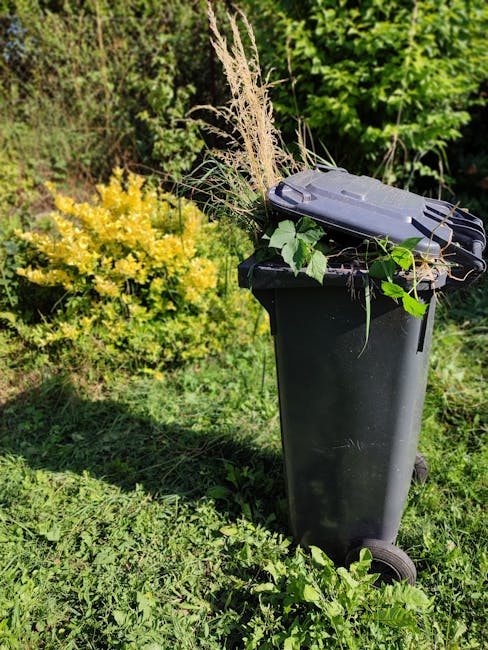
Hammersmith and Fulham Council Garden Waste Rules for Gardeners
If you garden in west London, the Hammersmith and Fulham council garden waste rules for gardeners are not just admin in the background. They shape how you clear beds, prune shrubs, bag clippings, and organise larger jobs without creating avoidable hassle. Get them wrong and you can end up with missed collections, extra charges, messy front gardens, or waste that simply sits there far too long.
Truth be told, most gardeners do not want to spend half a morning thinking about bin rules. You want to tidy up a border, cut back a hedge, maybe lift a few bags of leaves after a wet week, and move on. This guide breaks the topic down in plain English: what the rules mean in practice, how they affect everyday gardening, what to watch out for, and how to plan work so it stays clean, compliant, and efficient.
Where useful, we'll also look at related services that can help with larger clearances or ongoing upkeep, including garden clearance, garden maintenance, and recycling and sustainability.
Table of Contents
- Why the rules matter
- How the council garden waste system works
- Key benefits and practical advantages
- Who this is for and when it makes sense
- Step-by-step guidance
- Expert tips for better results
- Common mistakes to avoid
- Tools, resources and recommendations
- Law, compliance, standards, and best practice
- Options, methods, or comparison table
- Case study or real-world example
- Practical checklist
- Conclusion
- Frequently asked questions
Why Hammersmith and Fulham Council Garden Waste Rules for Gardeners Matters
Garden waste rules matter because garden jobs are rarely neat little one-off tasks. Even a simple hour of pruning can produce a surprising amount of material: soft clippings, twiggy stems, dead leaves, soil-contaminated roots, and the odd awkward branch that looks much bigger once you've carried it to the front path. If you work in someone's garden, that material has to be managed properly.
In Hammersmith and Fulham, the practical question is usually not "is this garden waste?" but "how should this be sorted, stored, and removed?". That distinction makes a real difference. Green waste is often treated differently from general rubbish, and a gardener who understands the local system can keep jobs moving without creating compliance issues for the client.
It also helps with client trust. Homeowners and tenants notice when waste is handled neatly. They notice if bags are left propped against a wall for days too, or if prunings are dumped in the wrong container because "it'll be fine". It usually isn't fine. And in a city environment, especially on a narrow street or shared access, tidy waste handling is part of professional service, not an optional extra.
For gardeners, these rules are also about reputation. A well-run job feels calm: cut, collect, sort, remove. No drama. No overflow. No mystery pile in the corner that has to be explained later.
Expert summary: Garden waste handling in Hammersmith and Fulham works best when you treat collection rules, storage space, and waste separation as part of the job plan from the start, not something to sort out at the end.
How Hammersmith and Fulham Council Garden Waste Rules for Gardeners Works
While specific council arrangements can change over time, the basic structure is usually familiar across London boroughs. Garden waste is expected to be separated from general household waste where possible, stored safely, and collected or taken away using the correct route. For gardeners, that means planning for the type of waste generated and the volume involved.
In real life, this tends to fall into a few buckets:
- Routine green waste such as grass cuttings, leaves, small twigs, soft pruning material, and seasonal sweepings.
- Heavier garden material such as branches, hedge cuttings, root balls, and woody stems that may need bundling or a larger collection solution.
- Mixed waste where garden debris has become contaminated with soil, plastic, broken pots, or general rubbish, which may no longer be suitable for a simple green waste route.
For a gardener, the most important part is sorting early. If you separate waste on the ground while working, you avoid a huge tangle later. That's especially useful after hedge trimming or a clearance job, when the pile can be a jumble of soft growth, woody cuttings, and bits of old garden packaging. Little and often is easier. Always.
If you need a broader service that includes clearing and tidying large volumes of material, take a look at services overview and the more focused garden clearance option. For ongoing jobs, garden maintenance can be a better fit because waste is managed as part of regular visits rather than left to pile up.
Another point worth mentioning: some councils require garden waste to be presented in a certain way, such as in approved bins, sacks, or bundles. Others have specific collection schedules or subscription-based green waste services. If you're working locally, always check the current Hammersmith and Fulham arrangements before promising a client that "we can just leave it out". That sentence has caused more grief than it should.
What gardeners should think about on-site
A good waste plan starts before the first cut. Ask yourself:
- How much waste is likely to be created?
- Will it fit into the garden waste container available on site?
- Can bulky cuttings be cut down to a manageable size?
- Is there a safe place to store material without blocking access?
- Will damp weather make the waste heavier and messier to move?
If the answer to any of these is "probably not", it is better to adjust the work plan early. That could mean scheduling a removal service, breaking the work into phases, or choosing a different collection method. Saves time later. A lot of time, sometimes.
Key Benefits and Practical Advantages
Following the council garden waste rules properly is not just about avoiding problems. There are real practical benefits for both gardeners and customers.
- Cleaner job sites - less clutter, fewer trip hazards, and easier access for finishing work.
- Better turnaround times - when waste is separated correctly, it leaves the site faster.
- Lower risk of complaints - clients are less likely to worry about smells, pests, or unsightly piles.
- More efficient labour - no one wants to re-sort a mixed heap at the end of the day.
- Stronger sustainability habits - garden waste is easier to recycle or compost when it hasn't been contaminated.
There is also a commercial advantage. A gardener who understands waste handling can price jobs more accurately. Not wildly more accurate - let's be realistic - but enough to avoid underestimating how much labour, transport, or disposal effort a job really needs.
For example, a hedge trim on a small front garden can look straightforward until you hit the back hedge, the long clippings, and the leafy fallout that spreads across paving. If the waste route is already planned, the job feels smooth. If not, the whole afternoon can become a shuffle of sacks, bins, and awkward shoulder-high bundles.
That's why many local gardeners pair waste handling with other maintenance work such as hedge trimming, lawn mowing, and tree lopping and removal. Once you think of waste as part of the service rather than an afterthought, everything tends to run more cleanly.
Who This Is For and When It Makes Sense
This topic matters to a wide range of people, not just professional gardeners. If you're managing outdoor space in Hammersmith and Fulham, there's a decent chance you'll need to deal with garden waste rules at some point.
- Professional gardeners who work on recurring maintenance rounds or one-off projects.
- Landscapers handling planting, reshaping, digging, or renovation work.
- Homeowners who do their own garden care and need a reliable way to dispose of clippings.
- Landlords and managing agents responsible for shared gardens or rented properties.
- Busy households that build up seasonal waste faster than the council collection cycle can handle.
It makes the most sense to think about the rules before a major job begins. A one-hour tidy-up is one thing. A full border reduction, mature shrub cutback, or post-storm clearance is another. After a windy night, gardens can look like they've had a small argument with the weather, and that means extra material everywhere - on paths, in beds, along fences, under shrubs.
If your work often involves substantial debris, it may be more practical to use a planned clearance approach or combine visits with landscape gardening or landscaping if you're making structural changes. Waste volumes rise quickly when you start reshaping the garden rather than simply maintaining it.
Step-by-Step Guidance
Here's a sensible, field-tested way to approach garden waste in Hammersmith and Fulham. Not flashy. Just practical.
- Estimate the waste before you start. Walk the garden and identify what will be cut, lifted, dug out, or bagged.
- Separate material as you work. Keep grass cuttings, woody pruning, soil, and mixed rubbish apart where possible.
- Check the available collection method. Confirm whether the site has a council bin, a private arrangement, or a removal plan already in place.
- Reduce bulk where sensible. Cut long stems down, compact loose material, and avoid leaving oversized bundles that are hard to handle.
- Store waste neatly and safely. Keep piles off paths, away from drains, and clear of access routes.
- Schedule removal or collection promptly. The longer green waste sits around, the heavier and less pleasant it gets. Damp clippings are no friend to anyone.
- Do a final sweep. Remove stray leaves, twig fragments, and soil spill before leaving the site.
One small but useful habit: use a "last look" from the gate. It takes thirty seconds and catches the stuff you stop noticing because you've stared at the same patch for two hours. We've all done it. You think the job is done, then spot a neat little pile of twigs hiding beside the bin. Annoying, but fixable.
If your project is larger, use a staged approach. For example, cut back the shrub layer one day, remove waste, then return for finer shaping and finishing. That is often cleaner than trying to do everything in a single rush.
Expert Tips for Better Results
Garden waste management becomes much easier when you build a few simple habits into your routine.
1. Match the method to the material
Soft green waste and woody waste behave differently. Soft waste compresses and can get heavy fast when wet. Woody waste takes space and can be awkward to bundle. Treat them differently, because they are different. Obvious, yes, but easy to ignore when the job gets busy.
2. Work with the weather, not against it
Wet weather changes everything. Leaves cling to paving, clippings mat together, and sacks weigh more than they looked like they would. If it has been raining all morning, plan a bit more time for handling and removal. The garden will tell you what kind of day it is having.
3. Protect shared spaces
In terraced streets and mixed-use properties, waste can quickly become a nuisance if it blocks shared access or sheds bits into hallways and front steps. Keep routes clear and wrap or contain loose material before carrying it through.
4. Think about sustainability early
Good waste handling supports recycling and composting where possible. That may mean keeping clean green waste separate from contaminated material, and avoiding unnecessary mixing. It also helps to use reusable tubs, durable sacks, and tools that reduce mess during collection.
For practical sustainability-minded service planning, the page on recycling and sustainability is a useful companion piece.
5. Keep clients informed
If you're working for someone else, say what will happen to the waste before you begin. A short explanation avoids confusion later. Clients rarely object to proper waste handling; they usually object to surprise costs or unsightly piles left at the kerb.
Common Mistakes to Avoid
Most waste-related problems come from a few predictable mistakes. Easy to avoid once you know them. Harder when you're already halfway through a job.
- Leaving waste mixed together. Mixed material is harder to handle and may not be suitable for the intended disposal route.
- Underestimating volume. Hedge cuttings and pruning waste always seem smaller before they hit the ground.
- Forgetting access issues. A neat pile is still a problem if it blocks a narrow path or shared entrance.
- Using the wrong container. Overfilling bins or stuffing them with unsuitable waste can create collection issues.
- Leaving waste to sit too long. Green waste decomposes, gets smellier, and attracts attention for the wrong reasons.
- Assuming every job is the same. A tidy border does not behave like a full clearance or a storm cleanup.
One of the easiest errors is simply not allowing enough time for the waste stage. A lot of gardeners budget tightly for cutting and shaping, then treat removal like a quick afterthought. In practice, it can be the bit that eats the clock.
And yes, the pile always looks bigger after lunch. That's not a scientific statement. It just is.
Tools, Resources and Recommendations
You do not need a mountain of equipment, but the right basics make compliance and tidy disposal much easier.
| Tool or resource | Why it helps | Best use case |
|---|---|---|
| Heavy-duty garden sacks | Contain loose clippings and keep waste manageable | Routine pruning, leaf clearance, small to medium jobs |
| Rake and leaf grabber | Speeds up collection of light waste | Autumn cleanup, lawn work, swept paths |
| Secateurs and loppers | Reduce bulky stems before disposal | Hedges, shrubs, light branch work |
| Tarpaulin or ground sheet | Makes transport and gathering cleaner | Large borders, messy cutbacks, spiky material |
| Wheeled bin or barrow | Improves control and reduces lifting strain | Longer gardens or repeated trips |
| Service guidance and local policy checks | Helps confirm current council expectations | Any job where collection rules may affect planning |
If you're choosing between doing it yourself and bringing in help, think about the whole workflow. The actual cutting may only take an hour. The gathering, bagging, carrying, and final loading can take just as long. Sometimes longer, to be fair.
For larger or ongoing jobs, it can be worth using a professional package that includes garden clearance or a planned maintenance arrangement. Those services are especially useful where access is awkward or where waste builds up quickly after seasonal work.
Law, Compliance, Standards, or Best Practice
This section needs a careful approach. Garden waste handling can touch on local collection rules, environmental best practice, duty of care, and, depending on the job, contractor safety. Exact council arrangements can change, so it's best to confirm current Hammersmith and Fulham requirements before relying on a specific process.
For gardeners, the best-practice principles are usually straightforward:
- Keep waste separated where possible. Green waste should not be contaminated with general rubbish.
- Avoid nuisance and obstruction. Don't leave bags, branches, or loose material where they create hazard or inconvenience.
- Handle waste responsibly. If you are arranging removal, use a sensible, traceable route and know what is being taken away.
- Work safely. Bags can be heavy, branches can spring, and wet surfaces can be slippery.
- Respect property boundaries and shared access. It sounds basic, but it really matters in London terraces and communal spaces.
Good practice also includes clear communication. If a job will produce more waste than expected, tell the client early. If a collection cannot happen on the day, explain the plan. Most people are reasonable when they understand what is happening and why. They are much less reasonable when they come home to a half-finished driveway full of hedge trimmings.
Where a project involves construction-like elements - for example, excavation, timber removal, or replacing hard landscaping - waste handling may move beyond simple garden green waste. In those cases, check the scope carefully and, if needed, refer to the relevant service pages such as decking services or landscape gardening for context on the wider work involved.
Options, Methods, or Comparison Table
There is no single "best" way to deal with garden waste. The right method depends on volume, access, timing, and how tidy the client expects the space to be.
| Method | Best for | Pros | Limitations |
|---|---|---|---|
| On-site council collection | Routine small-scale green waste | Simple, familiar, often cost-conscious | May have strict presentation or schedule rules |
| Professional garden clearance | Bulky or mixed waste, one-off jobs | Fast, efficient, less hassle for the client | Usually less suitable for very small tasks |
| Regular maintenance visits | Ongoing gardens with predictable waste | Prevents build-up, easier to plan | Needs consistent scheduling |
| Staged removal during larger landscaping work | Renovations and redesigns | Keeps the site usable, helps workflow | Requires tighter planning and coordination |
For a small garden that only produces a bag or two, routine collection may be perfectly fine. For a mature, heavily planted garden in peak growing season, it can become a false economy if you try to squeeze everything into the wrong system. Sometimes the tidy option is also the sensible one.
Case Study or Real-World Example
Picture a typical late-summer job in a Hammersmith terrace garden. The brief sounds simple enough: trim back a laurel hedge, clear a few overgrown beds, and tidy the lawn edges. Then you start and realise the hedge has shed more than expected, the beds contain a mix of wet leaves and twiggy growth, and there are two old plant pots hidden under the foliage like they've been waiting for their moment.
If waste handling has been planned properly, the job still flows. Hedge trimmings go straight into one area, softer green waste into another, and the mixed items are separated before they become a problem. The path stays passable. The front gate can open. The client sees progress instead of chaos.
If the waste plan is weak, the same job becomes awkward. Bags overflow. Cuttings spread. Someone has to stop work early to make space. The garden looks half-done even if the trimming itself is good. That's the thing with waste: it can make a skilled job look sloppy if you leave it unmanaged.
In practice, a better approach would be to combine the trim with a tidy-up visit or full garden maintenance appointment. That way, the waste gets removed as part of the visit rather than lingering for another day. Simple, really. But effective.
Practical Checklist
Use this quick checklist before, during, or after a garden job in Hammersmith and Fulham.
- Have I estimated how much waste this job will create?
- Have I separated green waste from mixed rubbish?
- Do I know the correct collection or removal method?
- Is the waste stored safely and without blocking access?
- Have I cut bulky material down to a manageable size?
- Have I considered weather conditions and wet-weight issues?
- Do I need a clearance service rather than routine disposal?
- Have I done a final sweep for stray clippings and debris?
- Have I told the client what happens to the waste?
- Have I checked any current council-specific collection expectations?
Quick reminder: if the answer to several of those is "not yet", pause and sort the waste plan before the mess grows. It's nearly always easier that way.
Conclusion
Hammersmith and Fulham council garden waste rules for gardeners are really about making garden work cleaner, safer, and easier to manage. Once you understand the local expectations around sorting, storage, collection, and removal, the whole job becomes more predictable. That helps with compliance, customer satisfaction, and the simple dignity of leaving a garden looking finished rather than half-abandoned.
For everyday maintenance, a steady routine is often enough. For bigger hedge cuts, seasonal clearances, or full garden improvements, it usually makes sense to plan waste handling as part of the project rather than leaving it as a final scramble. A little foresight goes a long way, and it saves that awkward moment where you're staring at three brimming sacks and wondering where the fourth one came from.
If you're planning a local garden job and want help with the practical side, explore the service details for garden clearance, garden maintenance, or services overview to match the right approach to the scale of work.
Get a free quote today and see how much you can save.
Frequently Asked Questions
What counts as garden waste for council purposes?
Garden waste usually includes grass cuttings, leaves, small twigs, hedge clippings, and other organic material from routine garden work. Mixed rubbish, plastic, and contaminated material may need a different disposal method.
Can I put hedge trimmings in the normal household bin?
Sometimes small amounts might fit, but hedge trimmings usually create too much volume for standard household waste. It is better to separate them and use the appropriate garden waste route or clearance service.
Do gardeners need to follow the council rules if the client owns the property?
Yes. If you're carrying out the work, you still need to handle the waste properly. The property owner may be responsible for the bin arrangement, but the gardener should not leave waste unmanaged or mixed incorrectly.
What should I do with wet grass cuttings?
Wet grass cuttings are heavier and can become unpleasant quickly. Bag them promptly, avoid overfilling containers, and plan for extra handling time if the weather has been damp.
Is garden waste the same as green waste?
Most people use the terms in a similar way, but garden waste usually means all waste from garden work, while green waste specifically refers to biodegradable plant material. Once the waste is mixed or contaminated, the distinction becomes more important.
How can I reduce the amount of waste a job creates?
Prune carefully, avoid overcutting, compost suitable material where appropriate, and keep maintenance regular so the garden does not build up into a larger clearance job. Small, frequent jobs are much easier to manage.
What if the waste is too much for the council collection?
If the volume is too high, you may need a professional garden clearance service or a staged removal plan. That is common after seasonal cuts, overgrown gardens, or landscaping work.
Can garden waste be mixed with soil or broken pots?
It can be, but once mixed with non-organic material the waste may no longer be suitable for straightforward garden recycling. Try to separate soil, rubble, and broken containers from green waste where possible.
When is the best time to arrange garden waste removal?
The best time is usually before the work starts, especially for larger jobs. That way you know whether the waste will be collected, bagged, composted, or removed as part of the service.
What is the difference between garden maintenance and garden clearance?
Garden maintenance is regular upkeep, usually with smaller and more predictable waste volumes. Garden clearance deals with larger, messier, or more overgrown areas that need a bigger clean-up effort.
Should I check the council rules every time I take on a job?
If the job is routine and you already know the current arrangement, maybe not every single time. But for bigger clearances, seasonal changes, or anything that creates a lot of waste, it is wise to check the latest local expectations before you begin.
How do I make waste handling look more professional to clients?
Separate waste as you go, keep pathways tidy, remove debris promptly, and explain the plan clearly. A neat final sweep matters more than people think. It leaves a good impression, and honestly, that last ten minutes can make the whole job feel finished.
If you need help with a garden that has grown beyond a quick tidy-up, take a look at contact us or review our pricing and quotes information to plan the next step with confidence.