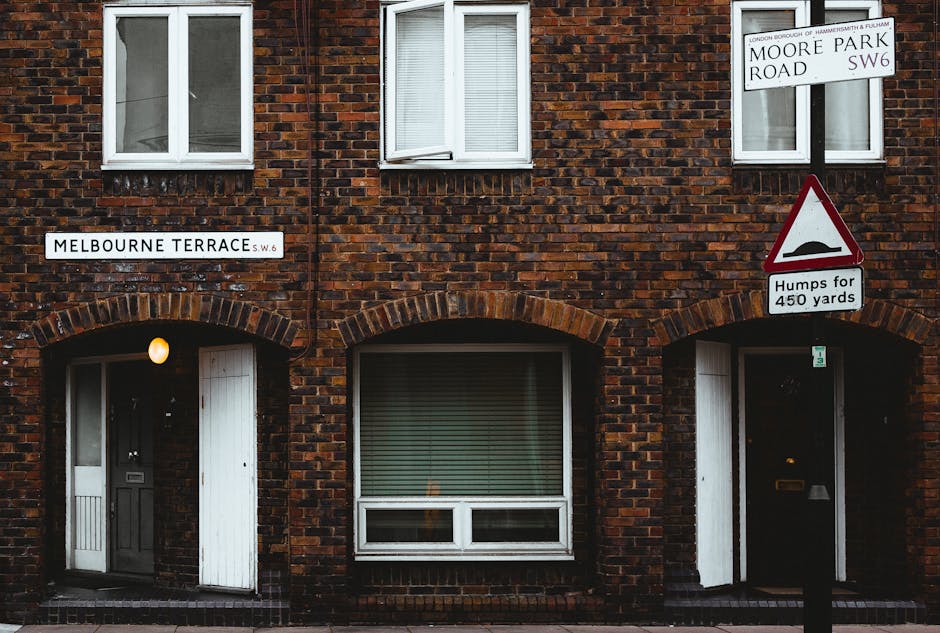
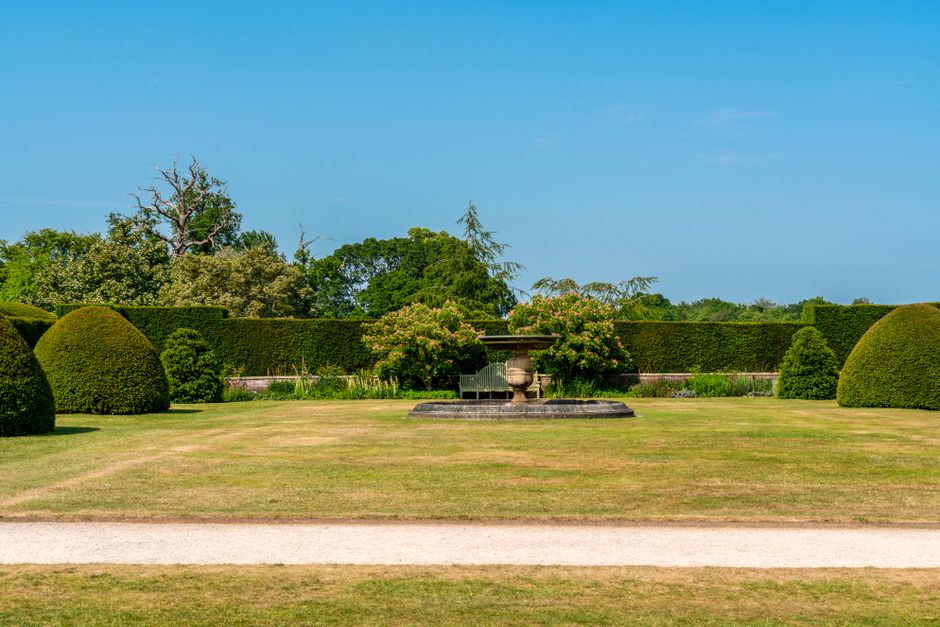
Fulham Palace Road gardens maintained by Hammersmith gardeners
If you live, work, or manage a property near Fulham Palace Road, you already know the garden can make a bigger difference than people expect. A tidy front space changes the feel of the whole building. A well-kept back garden turns into somewhere you actually want to sit with a cup of tea, rather than glance at and sigh. This guide to Fulham Palace Road gardens maintained by Hammersmith gardeners explains what that upkeep really involves, why it matters in a busy London setting, and how to get results that feel neat, practical, and genuinely lived-in.
We will look at the everyday realities too: seasonal growth, awkward access, shared boundaries, lawn care, hedge control, and the sort of maintenance that keeps a garden looking composed without turning it into a full redesign every month. Truth be told, that balance is what most people want.
Why Fulham Palace Road gardens maintained by Hammersmith gardeners Matters
Gardens along Fulham Palace Road sit in a part of London where outdoor space often has to work hard. You may be dealing with compact plots, passing traffic, shade from mature trees, or a garden that is visible from the street and therefore part of the property's first impression. In those conditions, regular maintenance is not just about making things look pretty. It is about keeping the space usable, safe, and manageable.
Hammersmith gardeners familiar with west London gardens tend to understand the rhythm of these spaces. They know that one month of growth can look like three months elsewhere. They also know that a good maintenance routine usually beats occasional dramatic intervention. A garden that is lightly but consistently maintained often ends up healthier, calmer, and less expensive to bring back into shape. Seems obvious, but people still wait too long sometimes.
There is also a practical local angle. Properties close to busy roads can collect more dust, litter, and debris than you might expect. Edging becomes less crisp. Plants can struggle with reflected heat or shade. Boundaries need checking. Even a well-designed border can start looking tired if nobody trims, feeds, clears, or observes what is happening over the course of a season.
That is why this topic matters: the value is not only visual, but functional. A maintained garden can improve daily use, support plant health, and reduce the "catch-up" work that makes weekends disappear.
How Fulham Palace Road gardens maintained by Hammersmith gardeners Works
In practice, garden maintenance is a repeatable system rather than a single job. The exact mix depends on the site, but most professional upkeep follows a similar pattern: inspect, prioritise, carry out the work, and tidy thoroughly. That sounds simple because, in principle, it is. The skill lies in noticing what needs attention now and what can wait.
A typical visit might include lawn mowing, edging, weeding, deadheading, hedge trimming, light pruning, bed care, path clearing, and basic health checks for plants. If the garden has overgrown corners, seasonal leaf fall, or spent planting that needs replacing, that may be folded into a broader maintenance plan. For larger or more neglected spaces, a one-off tidy can be followed by regular visits to keep the work from snowballing.
For many Fulham Palace Road properties, access matters as much as the gardening itself. Side passages, shared entrances, bins, and narrow frontages can affect how work is scheduled. The better the access plan, the less disruption for you and your neighbours. It is the kind of detail that sounds small until you are carrying waste bags through a tight hallway. Then it becomes very noticeable.
Where gardens are part of a larger outdoor scheme, maintenance may link with broader services such as garden maintenance, lawn mowing, hedge trimming, and, when needed, garden clearance. A good provider will not force a one-size-fits-all plan; they will adjust the routine to the garden's actual condition.
Key Benefits and Practical Advantages
The obvious benefit is appearance, but let's go a bit deeper. A maintained garden usually gives you more than a neat view. It reduces stress, makes the space more usable, and helps plantings last longer. Here are the main advantages people tend to notice first.
- Better kerb appeal: Front gardens and visible borders set the tone immediately.
- Healthier growth: Regular pruning, feeding, and weeding support stronger plants.
- Less long-term expense: Small, regular tasks are usually easier than rescue work after months of neglect.
- Safer access: Clear paths and controlled growth reduce trip hazards and awkward overhangs.
- More usable outdoor space: A garden that is managed properly can be enjoyed, not just tolerated.
- Lower seasonal pressure: You avoid the frantic spring-and-autumn scramble that many households know all too well.
There is a quieter benefit too: confidence. When you know the beds are weeded, the lawn is under control, and the hedges are not getting out of hand, the whole property feels easier to live with. That counts for a lot, especially in a city where indoor and outdoor space both have to pull their weight.
Expert summary: The best maintenance plans for Fulham Palace Road gardens are usually steady, seasonal, and tailored to the garden's actual conditions. The goal is not perfection. It is control, health, and a space that still feels pleasant on a wet Tuesday morning.
Who This Is For and When It Makes Sense
This kind of upkeep makes sense for a wide range of people. You do not need a huge garden to benefit from it. In fact, smaller London gardens often need it more because they show neglect quickly and have less room to recover.
- Homeowners who want a tidy, attractive garden without spending every weekend on maintenance.
- Landlords who need an outdoor space to stay presentable between tenancies or inspections.
- Property managers responsible for front gardens, shared green spaces, or multiple entrances.
- Busy families who want the garden kept safe and usable, even when life is hectic.
- Older homeowners who may prefer assistance with heavier or repetitive garden tasks.
- People preparing to sell or let and wanting the outside of the property to make a strong first impression.
It also makes sense when a garden has begun to drift from "a little untidy" into "we should probably do something soon." That point arrives quietly, usually after a few missed weekends. You notice the weeds first. Then the edges. Then the hedge looks like it has ideas of its own. That is often the moment to bring in a maintenance plan rather than trying to catch up in one exhausting go.
Step-by-Step Guidance
If you are considering regular garden upkeep for a property near Fulham Palace Road, here is a sensible way to approach it. Nothing fancy. Just a clear sequence that avoids wasted effort.
1. Walk the garden properly
Start with a slow look around. Not just the obvious bits. Check corners, fence lines, under shrubs, around drains, along paths, and behind pots. Garden issues tend to hide in the places we only half notice.
2. Separate urgent work from routine work
Some jobs need immediate attention: a broken branch, a blocked path, an overgrown hedge, or anything creating a hazard. Other tasks, like border reshaping or pruning for form, can be planned into the next visit.
3. Decide what level of maintenance you actually need
A weekly garden may be ideal for some spaces, while others only need fortnightly or monthly visits. It depends on growth rate, use, budget, and how polished you want the finish to be. No point paying for intensity you will not use.
4. Set a seasonal routine
Spring usually means growth control, feeding, and preparation. Summer often needs mowing, watering, and deadheading. Autumn brings leaf clearance and cut-back work. Winter is the time for tidying, structural checks, and planning ahead. The rhythm matters.
5. Keep notes after each visit
Simple notes help: what was done, what needs watching, what should be done next time. This is especially useful if the garden has a few problem spots or if different people manage the property at different times.
6. Review the result after a month or two
Is the garden looking better but still too high-maintenance? Are some tasks happening too often and others not enough? A good maintenance plan should evolve. If it does not, it may be too rigid for the space.
For many households, the most practical approach is to combine routine care with occasional deeper work. If the garden has become cluttered or overgrown, a one-off garden clearance can reset the space before maintenance takes over. That is often the cleanest way to start.
Expert Tips for Better Results
Here are the small things that often make the biggest difference. These are the sort of details experienced gardeners tend to notice quickly, sometimes before the homeowner even realises what is going on.
- Do not wait for the garden to "need" work. By then, the job is harder.
- Trim with the shape in mind. A hedge can be cut and still look awkward if the lines are not considered.
- Keep the base of plants clear. It improves airflow and reduces the cluttered look.
- Check drainage after heavy rain. Puddling or soft patches are easy to miss until they become a nuisance.
- Use the right mowing height. Cutting too short weakens lawns, especially in dry spells.
- Watch for seasonal shifts in light. A bed that gets sun in May may be shaded by June foliage.
- Leave room for access. If tools and waste have nowhere easy to go, maintenance gets slower and messier.
One practical tip that gets overlooked: group tasks by surface and season. For example, if the hedge is being trimmed, check borders and edging on the same visit. If leaves are being cleared, look at the lawn at the same time. That saves back-and-forth and gives the garden a more coherent finish.
And yes, a garden can look "fine" while quietly developing problems underneath. Plants are a bit sneaky like that.
Common Mistakes to Avoid
Most garden maintenance problems come from a handful of repeat mistakes. The good news is that once you know them, they are fairly easy to avoid.
- Letting small jobs accumulate. A few weeds become a border problem before you know it.
- Ignoring hedge and boundary growth. These are often the first things neighbours notice.
- Over-pruning at the wrong time. Some plants do not appreciate being cut back whenever it is convenient.
- Mowing too aggressively. A stressed lawn rarely looks better for being scalped.
- Leaving debris after work is done. A tidy finish is part of the service, not an optional extra.
- Forgetting that access shapes the job. Tight routes, parked cars, or locked gates can all affect the plan.
- Expecting one visit to fix everything. If a garden has been neglected for a while, recovery usually happens in stages.
Another common issue is changing the brief every time. That sounds harmless, but it can make results inconsistent. Better to agree what "tidy" means, what "well maintained" means, and where the priorities sit. Otherwise everyone ends up slightly disappointed, which is nobody's favourite outcome.
Tools, Resources and Recommendations
The right tools depend on the garden, but a solid maintenance setup usually includes the basics rather than anything dramatic. Good cutting tools, a reliable mower, edging gear, hand forks, secateurs, rakes, waste bags, and appropriate safety equipment are often enough for regular upkeep. The key is not owning a mountain of kit. It is using the right tools cleanly and consistently.
For more involved work, professional teams may use commercial mowers, brush cutters, hedge trimmers, or lightweight clearing equipment, depending on the site. What matters most is that the tools suit the scale of the garden and do not damage plants, lawns, or hard landscaping.
If you are comparing service options, it helps to understand the broader set of garden services available. The services overview gives a useful picture of how maintenance, landscaping, and larger-scale improvements can fit together. If you are thinking beyond basic upkeep, you may also want to explore landscaping or landscape gardening for more structural changes.
For budget planning, it is sensible to review pricing and quotes before committing. That way you can compare the scope of work rather than simply the headline figure. To be fair, a cheaper quote is not always cheaper if it leaves half the job unfinished.
Law, Compliance, Standards, or Best Practice
Garden maintenance is usually straightforward, but a few professional standards still matter. The main one is safety. Any responsible team should work with appropriate care around tools, waste removal, access routes, and nearby people or property. If equipment is being used in a confined residential setting, the operator should be mindful of noise, flying debris, and safe working distances.
Waste handling is another practical area. Green waste should be managed sensibly and disposed of in line with local expectations and accepted environmental practice. If recycling and sustainability matter to you, ask how waste is handled and whether materials are reused or sorted where appropriate. A well-run maintenance visit should not leave the garden looking neat but the wider process feeling messy.
Insurance is worth checking as well, especially for shared entrances, communal areas, or more complex jobs. A provider that takes safety seriously will usually be comfortable discussing their approach. You are not being awkward by asking. You are being sensible.
In addition, best practice includes:
- clear agreement on the scope of work
- respect for neighbouring properties and access
- appropriate use of tools and machinery
- careful pruning rather than heavy cutting without reason
- tidy removal of waste and debris after the job
If you want to review how a business approaches operational responsibility, it can help to look at their health and safety policy, insurance and safety, and recycling and sustainability information. Those pages are useful because they show how work is handled behind the scenes, not just how it looks in a finished photo.
Options, Methods, or Comparison Table
People usually choose between a few broad approaches. The best one depends on how much time you have, how tidy the garden needs to stay, and how much care the planting requires.
| Approach | Best for | Advantages | Limitations |
|---|---|---|---|
| Ad hoc tidy-up | Very small gardens or occasional needs | Low commitment, useful for a quick reset | Problems can return quickly, less consistent finish |
| Regular maintenance visits | Most Fulham Palace Road gardens | Steady appearance, healthier plants, fewer surprises | Requires an ongoing budget and schedule |
| Seasonal deep maintenance | Gardens with manageable growth but some heavy seasonal work | Good for leaf fall, pruning, or reset periods | May not prevent faster regrowth between visits |
| Combined maintenance and landscaping | Gardens that need both upkeep and layout improvements | Better long-term function and appearance | Higher upfront commitment, more planning needed |
For many residents and landlords, the second option is the sweet spot. Regular maintenance keeps things under control without requiring a major redesign. If the garden also has poor layout, awkward borders, or tired hardscape, then a combination with smaller structural improvements may work better. A simple decked seating area, for example, can make a back garden easier to use, provided the surrounding planting is kept in order. If you are exploring that route, see decking services.
Case Study or Real-World Example
Here is a realistic scenario. A small rear garden near Fulham Palace Road had become cluttered over one season. Nothing dramatic, just a bit of this and that: lawn edges blurred, a hedge growing wider than expected, weeds in the borders, and a seating area that had effectively disappeared under pots and leaf debris. The owner worked long hours and had left the garden to "sort itself out," which, as gardens so often do, it absolutely did not.
The first visit focused on clearance and structure. Unused clutter was removed, the hedge was brought back to shape, the lawn was cut and edged properly, and the beds were weeded. After that, the garden looked calmer immediately. Not perfect. Calmer. That is often the first real win.
Over the following weeks, the maintenance moved to a lighter routine: mowing, edging, checking growth around the boundary, and keeping the planting tidy enough to look deliberate rather than overworked. The owner did not need a dramatic redesign. What they needed was a plan that matched the pace of the garden and the pace of their life. That's the bit people underestimate.
The result was not some glossy magazine transformation. It was more useful than that. The garden became a place that could actually be used after work, and the amount of time spent worrying about it dropped sharply. That, in practical terms, is a very good outcome.
Practical Checklist
Use this checklist if you are deciding whether your Fulham Palace Road garden needs regular maintenance or a one-off reset.
- Is the lawn growing unevenly or getting patchy at the edges?
- Are hedges or shrubs touching paths, fences, or windows?
- Are weeds appearing faster than you can remove them?
- Does the garden look untidy from the street or shared entrance?
- Have leaves, clippings, or debris built up in corners?
- Are any plants failing because they are overcrowded or shaded?
- Do you need access kept clear for bins, deliveries, or neighbours?
- Would a regular visit be easier than doing the whole job yourself?
- Do you need help with heavier work or waste removal?
- Would the garden benefit from a better routine rather than a big redesign?
If you answered yes to several of those, maintenance is probably the right move. Not necessarily a huge overhaul. Just a sensible system. And that is often enough.
Get a free quote today and see how much you can save.
Conclusion
Fulham Palace Road gardens maintained by Hammersmith gardeners work best when the approach is steady, thoughtful, and tailored to the space rather than forced into a generic plan. The right maintenance keeps a garden neat, healthy, and easier to live with through the changing seasons. It also reduces the unpleasant surprise of discovering that a small problem has turned into a weekend-consuming one.
Whether you need regular lawn care, hedge trimming, a seasonal clear-up, or a longer-term maintenance routine, the most sensible next step is usually to assess the garden honestly and build from there. That simple shift can make a huge difference. You will notice it in the look of the space, but also in the way it feels to step outside.
Sometimes the best garden work is the kind you barely have to think about anymore. Quiet, reliable, and done properly. That's the goal, really.
Frequently Asked Questions
What does Fulham Palace Road garden maintenance usually include?
It usually includes mowing, edging, weeding, hedge trimming, pruning, leaf clearance, and general tidying. The exact scope depends on the size of the garden and how much upkeep it needs.
How often should a garden near Fulham Palace Road be maintained?
That depends on growth and use, but many city gardens benefit from regular visits every one to four weeks during active growing periods. Smaller or slower-growing spaces may need less frequent attention.
Is regular maintenance better than occasional big tidy-ups?
For most gardens, yes. Regular maintenance keeps growth manageable, prevents bigger problems, and usually costs less effort over time than waiting for the space to become heavily overgrown.
Can Hammersmith gardeners help with overgrown gardens?
Yes, especially if the work starts with a clearance or reset before moving into routine maintenance. That approach is often the most practical for neglected spaces.
What if my garden is very small?
Small gardens still benefit from professional upkeep, sometimes even more than larger ones. Limited space means weeds, clutter, and uneven growth stand out quickly.
Do I need landscaping if I already have maintenance?
Not always. Maintenance is about keeping things in good condition, while landscaping is more about changing layout, structure, or function. Some gardens need only the first; others benefit from both.
How do I know if my hedge needs trimming?
If it is starting to block light, spill into paths, or lose its shape, it probably needs attention. Hedges are easy to ignore for a bit, then suddenly they are not.
What should I ask before booking a gardener?
Ask what is included, how often visits are recommended, how waste is handled, whether insurance is in place, and whether the team can adapt the work to your garden's condition.
Will garden maintenance include waste removal?
Often yes, but it should be confirmed in advance. Some services include collection and disposal as part of the job, while others may separate that out.
Is it worth paying for maintenance if I'm usually away from home?
Yes, it can be very worthwhile. A garden can decline quickly if nobody is there to monitor growth, weather damage, or seasonal debris. Regular maintenance keeps it stable while you are away.
Can maintenance help prepare a property for sale or letting?
Absolutely. A tidy, controlled garden improves first impressions and helps the whole property feel better cared for. That does matter, more than people sometimes admit.
How do I compare quotes fairly?
Compare what is actually included, not just the headline price. Check frequency, scope, waste removal, and whether the plan is one-off or ongoing. A detailed quote is usually easier to trust than a vague low figure.